Basement Waterproofing NJ Trends Every New Jersey Homeowner Should Know

New Jersey basements tell you a lot about the house sitting above them. In older towns, you will find stone foundations that have handled a century of freeze-thaw cycles and still look solid until the first serious rain shows what time has really done. In newer subdivisions, poured concrete walls often appear cleaner and tighter, yet they can still develop seepage where grading, drainage, and hydrostatic pressure work against them. The common thread is simple: a dry basement in New Jersey is never an accident.
Homeowners here deal with a particular mix of problems. Coastal moisture, heavy spring rains, summer cloudbursts, winter snowmelt, high water tables in some regions, and clay-heavy soil in others all create conditions that can push water toward the foundation. Add in finished basements, home gyms, offices, guest rooms, and storage full of things people care about, and waterproofing stops being a niche repair. It becomes part of protecting the value and livability of the home.
The conversation around Basement Waterproofing NJ has changed over the past several years. What used to be treated as a one-time patch job is now viewed more like a building system. Homeowners are asking better questions. Contractors are being pushed to explain how water is moving, not just where it shows up. Materials have improved, code expectations have tightened in some areas, and weather patterns have made a lot of families less willing to gamble.
Why New Jersey homes are especially vulnerable
The first mistake many homeowners make is thinking all basement leaks behave the same way. In practice, the cause often depends on where in New Jersey the property sits, how old the house is, and what has happened around the home since it was built.
A house in Monmouth or Ocean County may battle elevated groundwater and storm-driven saturation. A property in North Jersey with sloped terrain might take runoff from uphill lots, which can create sudden pressure against a basement wall during a storm. In parts of Central Jersey, expansive clay soils can hold water for long periods, keeping foundation walls under steady pressure even after the rain stops. Homes near rivers, marshes, or low-lying neighborhoods can see recurring dampness that is less about one leak and more about the surrounding site conditions.
Age matters too. A lot of New Jersey housing stock predates modern waterproofing methods. Older homes may have foundations that were never designed to stay bone dry by today’s standards, especially if the basement was originally used for utilities and bulk storage rather than finished living space. When a family converts that area into usable square footage without addressing moisture at the foundation level, trouble usually follows.
I have seen homeowners spend tens of thousands on flooring, drywall, recessed lighting, and custom built-ins, then call for help because the room smells musty after every hard rain. The issue was not the finish work. It was the assumption that cosmetic renovation and moisture control are separate jobs. In a New Jersey basement, they are tied together from day one.
The move away from quick fixes
One of the clearest trends is the decline of surface-level patching as a long-term strategy. There will always be a place for small crack repairs and localized sealing, but more homeowners now understand that paint-on waterproofing products and interior patches alone rarely solve persistent water intrusion.
That shift happened for a reason. People have watched “fixed” basements leak again six months later. They have learned that water staining on one wall may actually start outside, where a clogged footing drain, failed exterior membrane, poor grade, or overloaded gutter system is directing water toward the house. If the pressure remains, water will keep finding weaknesses.
This does not mean every basement needs a full excavation or a complete drainage overhaul. It does mean a credible contractor should diagnose the water path before recommending a remedy. If someone walks in, glances at a damp spot, and immediately prescribes the same package they sell to every homeowner, that is a warning sign.
The better approach is layered. Stop as much water as possible before it reaches the wall. Relieve pressure when water does reach the foundation. Manage interior seepage in a controlled way if conditions call for it. Then protect air quality and finishes so the space stays usable.
Interior drainage systems have become far more common
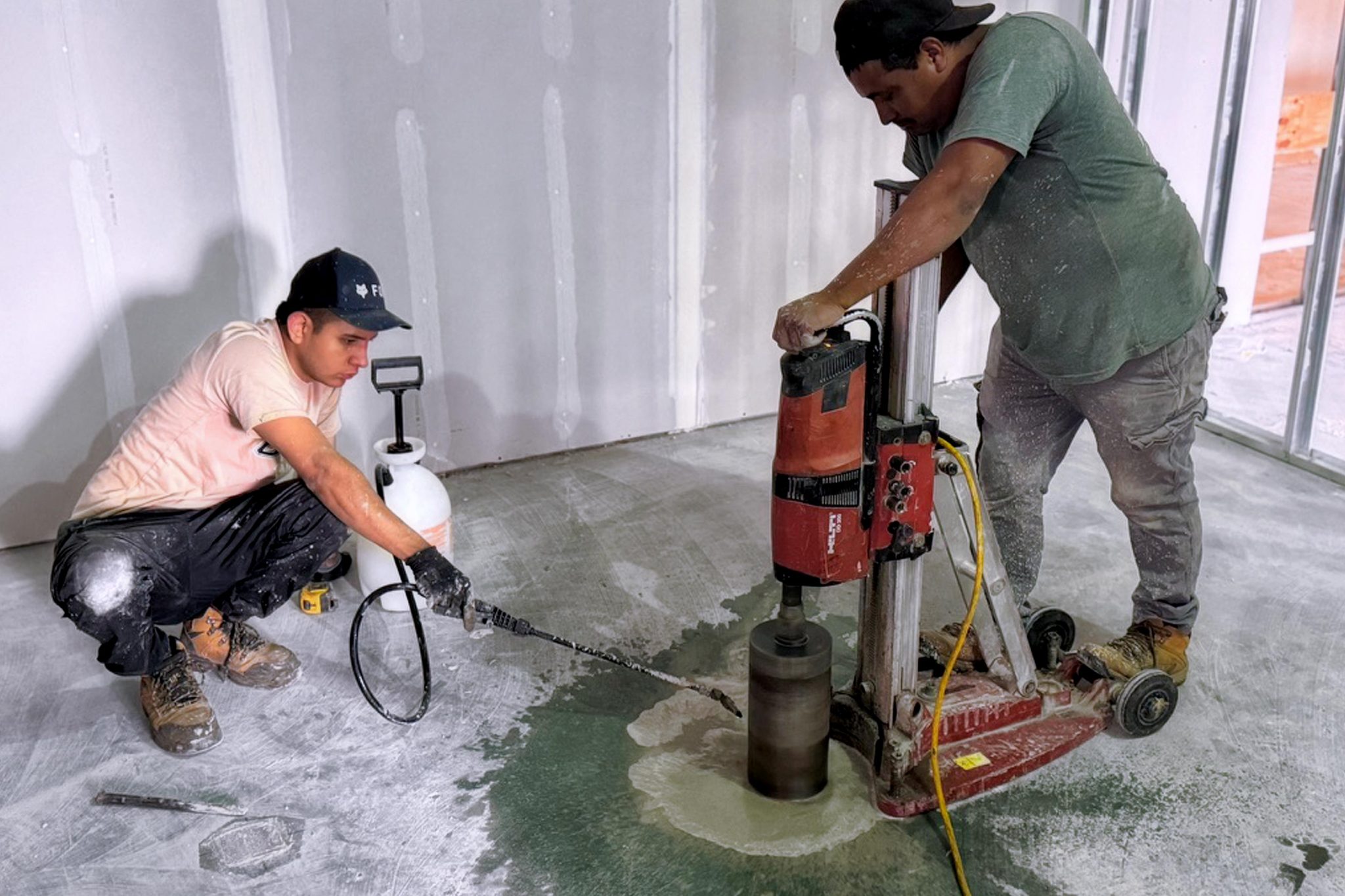
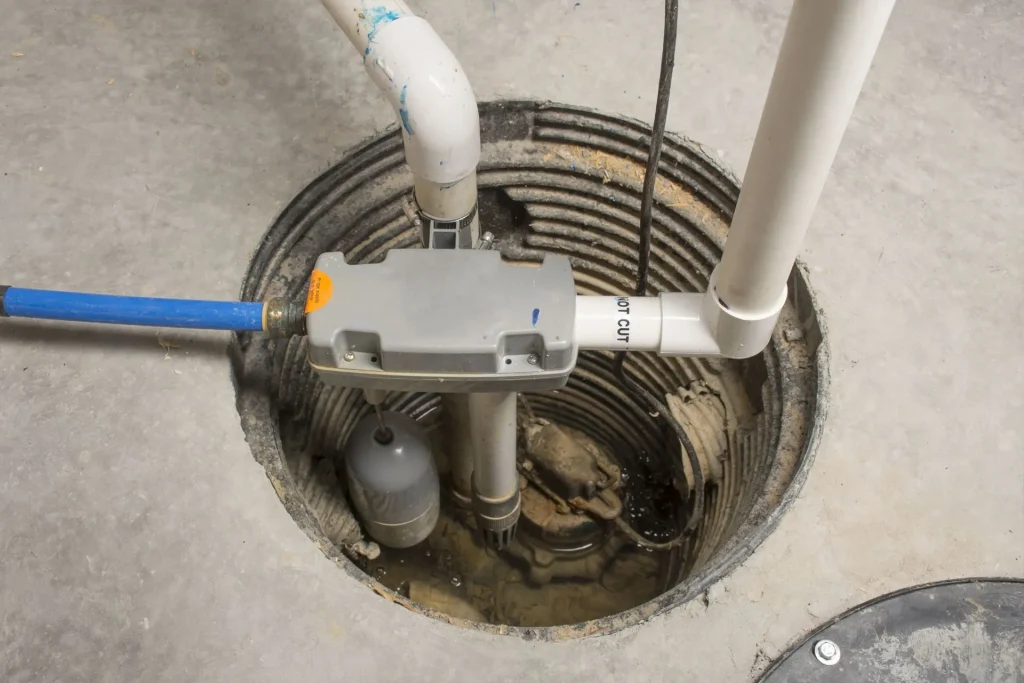
New Jersey homeowners used to resist interior drainage systems because they sounded invasive. Now many see them as practical insurance, especially in homes with chronic seepage or fluctuating groundwater. An interior system typically collects water at the basement perimeter and channels it to a sump basin, where a pump discharges it away from the foundation.
This method does not make the outside water disappear, but it does manage it predictably. That matters when exterior excavation is difficult because of patios, driveways, tight lot lines, mature landscaping, or attached structures. In a dense neighborhood, access alone can turn an exterior-only solution into an expensive and disruptive project.
Modern systems are also quieter and cleaner than older versions. The best installations are integrated carefully, with proper vapor barriers, sealed sump lids, and discharge layouts that send water well away from the home without creating icy patches near walkways in winter. The craftsmanship matters. I have seen well-designed systems keep basements dry through storms that flooded neighboring properties, and I have also seen poorly installed systems fail because the discharge froze, the pump sat in an undersized pit, or the perimeter channel was never tied together correctly.
Homeowners should not assume interior means inferior. In many New Jersey homes, especially where groundwater is the main enemy, an interior drainage setup paired with good exterior water management is the most sensible solution.
Sump pumps are no longer treated as optional equipment
A decade ago, some people still thought of sump pumps as something only houses with obvious flooding problems needed. That has changed. Today, many New Jersey homeowners see them the same way they see smoke detectors or backup generators: not glamorous, but essential if the conditions justify them.
The trend is not just more pumps, but better planning around pump reliability. With stronger storms and more power outages, battery backup systems have become far more popular. So have dual-pump setups, where a secondary pump activates if the primary fails or cannot keep up. For homeowners with finished basements, that extra layer can be cheap compared with replacing flooring, furniture, trim, drywall, and personal items after one bad night.
A sump system is only as good as its maintenance, though. Pumps clog. Floats stick. Check valves fail. Discharge lines freeze or get blocked. Homeowners who invest in Basement Waterproofing NJ work are also becoming more open to annual inspections, and that is a healthy trend. Waterproofing should not end at installation. It needs periodic attention, especially in a climate where conditions swing dramatically through the year.
Exterior waterproofing is being chosen more strategically
Exterior waterproofing still has a major place, particularly when the foundation wall itself is compromised or when homeowners want to address the problem at its source. The trend is not that exterior work is disappearing. It is that people are choosing it more selectively and usually as part of a broader plan.
On homes with persistent wall seepage, deteriorated coatings, or visible structural cracks, excavation and exterior membrane installation can make strong sense. The same is true when footing drains have failed or when an old foundation needs protection before a major basement renovation. But experienced contractors are more careful now about explaining where exterior work will help most and where it will not solve everything.
For example, if a house sits in an area with consistently high groundwater, exterior membranes alone may not be enough. Water pressure under the slab can still create issues. Likewise, if roof runoff dumps near the foundation, no membrane will fully compensate for bad drainage habits at the surface. The strongest waterproofing plans take the site seriously. They do not treat the foundation like an isolated wall in a laboratory.
Homeowners are paying more attention to the outside grade
This may be the least glamorous trend, but it is one of the most important. More New Jersey homeowners are finally realizing that basement waterproofing begins above ground.
A surprising number of wet basement calls come down to grading problems, short downspouts, buried splash blocks, compacted soil that pitches toward the house, or landscape beds that trap water against the foundation. These issues are common after years of mulch buildup, settlement, hardscaping changes, or well-meaning DIY projects.
I have walked properties where the basement leak looked serious inside, yet the most obvious problem outside was a downspout ending two feet from the foundation. During a heavy storm, hundreds of gallons from the roof were effectively being dumped right where the house was most vulnerable. Extending discharge lines and correcting grade did not eliminate every moisture issue, but it reduced the basement seepage dramatically and made the rest of the waterproofing scope smaller and more targeted.
This is one area where homeowners can often make measurable improvements quickly. A contractor may still need to address cracks, drainage, or pump systems, but surface water control should be part of the conversation from the start.
Mold prevention is now part of waterproofing, not a separate topic
https://penzu.com/p/47c6bd7515418dc2Years ago, basement waterproofing was often discussed in terms of puddles and structural damage. Today, indoor air quality gets nearly equal attention, and that is appropriate. A basement does not have to flood to become unhealthy. Persistent dampness, elevated humidity, and hidden condensation can support mold growth behind finishes, under flooring, and around stored items.
This matters more now because so many basements are used every day. Kids play there. Adults work there. Guests sleep there. Exercise equipment sits there. Laundry rooms and utility spaces often share air with finished areas. If the basement smells earthy or stale, that is not just a nuisance. It usually points to excess moisture that should be addressed before investing more money in finishes.
A well-waterproofed basement in New Jersey increasingly includes humidity control, thoughtful material choices, and realistic expectations about what belongs below grade. Even after water intrusion is solved, a dehumidifier may still be necessary during humid months. Organic materials like carpet, paper-faced drywall, and untreated wood trim are being used more carefully, or avoided altogether in higher-risk basements. Resilient flooring, mold-resistant drywall products, and better wall assembly details are no longer viewed as overkill.
Crack repair methods have improved, but diagnosis still matters most
Not every crack means structural trouble, and not every crack leak should trigger panic. Concrete shrinks, settles, and responds to stress in ways that often create visible cracking over time. The key is understanding the type of crack, whether it is active, and whether it is letting in water.
Injected repairs, especially with polyurethane or epoxy depending on the condition, have become a standard and effective option when done correctly. Many vertical and diagonal cracks can be sealed from the interior with good results. But homeowners should resist the temptation to view crack injection as universally curative. If the crack reflects ongoing movement, exterior water overload, or wider structural concerns, the repair may need to be part of a larger plan.
A good contractor should explain whether the crack is cosmetic, moisture-related, or structurally significant. They should also be honest about uncertainty. Sometimes monitoring is appropriate. Sometimes one crack is the visible symptom of broader drainage stress. The trend I like seeing is more homeowners asking for that nuance instead of demanding a one-word answer.
Finished basements are changing the stakes
The rise of finished basements across New Jersey has pushed waterproofing decisions into a new category. When the basement was mostly mechanical space, some homeowners tolerated seasonal dampness. That tolerance disappears when the space includes a media room, office, legal bedroom where permitted, or a custom bar that cost as much as a kitchen remodel.
Once people understand what it costs to tear out wet finishes and rebuild, waterproofing becomes easier to justify. Even a minor incident can lead to several thousand dollars in damage. A larger event can climb much higher once demolition, drying, mold remediation, and reconstruction are involved. Insurance can be unpredictable in this area. Coverage often depends on the source of water and the policy details. Many homeowners only learn the limits after the damage occurs.
That financial reality is a major reason Basement Waterproofing NJ services are being brought in earlier, sometimes before renovation begins. This is one of the smartest shifts in the market. Waterproof first, finish second. Reversing that order is almost always more expensive.
Buyers are scrutinizing basements more carefully during home sales
Real estate has also shaped waterproofing trends. Buyers in New Jersey are savvier than they used to be, and inspectors are quick to flag moisture stains, efflorescence, musty odor, previous water marks, sump setups, and grading concerns. Sellers who ignore basement issues often find themselves negotiating from a weaker position once those conditions appear in inspection reports.
On the other hand, documented waterproofing work done by a reputable contractor can be reassuring, especially when paired with transferable warranties where available and clear records of what was installed. Buyers do not expect every basement to be perfect, particularly in older homes, but they do want evidence that moisture risks were handled responsibly.
That has created a practical trend: more pre-sale basement assessments and more sellers addressing drainage and seepage issues before listing. It is easier to present a clean, dry lower level than to explain away stains and odors during showings.
What homeowners should watch for before a small issue grows
The earliest warnings are often subtle. They are easy to dismiss because they do not look dramatic. Yet those are the clues that usually save the most money when acted on early.
- A musty smell that returns after rain or humid weather
- White, chalky residue on masonry or concrete walls
- Peeling paint, bubbling wall finishes, or warped trim near the floor
- Rust on appliances, columns, or metal shelving in the basement
- Damp spots that appear at wall-floor joints, even if they dry later
None of these signs automatically means a major waterproofing project is required. They do mean the basement deserves a careful look before the next big storm provides a more expensive answer.
The contractor selection trend that matters most
The smartest homeowners are spending more time on contractor vetting than they used to. That is not just because prices vary. It is because waterproofing is full of partial truths. One company may push interior systems because that is their specialty. Another may insist everything should be solved outside. A third may offer a low quote that ignores discharge routing, permits where needed, wall condition, or backup protection.
A strong contractor usually does a few things well. They inspect both inside and outside. They ask when the problem occurs, not just where. They explain why water is entering. They separate urgent needs from nice-to-have upgrades. And they do not pretend every basement can be made dry the same way.
Here are a few questions worth asking during estimates:
- What do you believe is the main source of water in this basement?
- Which parts of your recommendation address cause, and which parts manage symptoms?
- How will discharge water be routed away from the house?
- What maintenance will the system need over time?
- If I plan to finish or refinish this basement, what materials or details would you avoid?
Those questions tend to reveal who understands the house and who is reciting a sales script.
Waterproofing is becoming a long-term home systems decision
Perhaps the biggest trend is philosophical. Homeowners are no longer treating basement waterproofing as an isolated emergency repair. They are beginning to see it as part of the home’s overall resilience, right alongside roofing, HVAC, insulation, and drainage.
That shift leads to better decisions. Instead of asking only, “How do I stop this leak right now?” people are asking, “How does water move around this property through the seasons?” That broader view tends to produce stronger results. It also encourages coordinated work. A basement can stay drier when gutters, grading, sump performance, dehumidification, and foundation repairs are handled as connected pieces instead of separate transactions.
For New Jersey homeowners, that mindset is particularly valuable. The state’s housing stock is diverse, the weather is demanding, and many basements are too important to leave to guesswork. A good waterproofing plan does not need to be flashy. It needs to be honest about conditions, tailored to the property, and durable enough to hold up when the next stretch of hard rain tests every weak point in the system.
That is where the real trend is heading. Not toward gimmicks or miracle coatings, but toward better diagnosis, better integration, and better protection for the homes people plan to keep.
ARD Waterproofing
Address: 98 Smull Ave, West Caldwell, NJ 07006
Phone number: +12016465936
FAQ About Basement Waterproofing NJ
What is the best waterproofing method for a basement?
The best overall approach to waterproofing a basement is a combined exterior and interior system that stops water at the foundation wall and safely manages any moisture that gets through.
What is the average cost to waterproof a basement?
The average cost to waterproof a basement ranges from $2,500 to $15,000, with most homeowners paying around $5,200 for a complete project.
Can a basement be waterproofed from the inside?
Yes, a basement can be waterproofed from the inside, and it is often the most affordable and least disruptive method.